
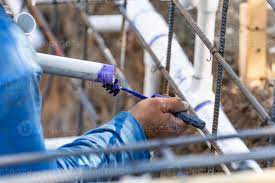
Building a structure involves numerous complex processes, with plumbing being a critical component that ensures the safety, functionality, and efficiency of water systems within a building. In Nigeria, where building regulations and environmental conditions influence plumbing practices, understanding the plumbing process is essential for a successful construction project. This article provides a comprehensive guide to plumbing in Nigerian building construction, outlining key stages, best practices, and regulatory considerations.
Introduction to Plumbing in Construction
Plumbing encompasses the installation and maintenance of systems that manage water supply, drainage, and waste disposal. In the context of Nigerian construction, plumbing must address local climate challenges, water availability issues, and regulatory requirements to ensure effective and sustainable water management.
Understanding the Plumbing System
A typical plumbing system includes:
- Water Supply System: Delivers clean water to fixtures and appliances.
- Drainage System: Carries wastewater away from the building.
- Ventilation System: Ensures that drains and pipes are free from pressure build-up and odors.
- Fixtures and Appliances: Includes sinks, toilets, showers, and other water-using devices.
Planning and Designing the Plumbing System
Initial Planning
Before any installation, detailed planning is crucial. This involves:
- Blueprint Analysis: Reviewing architectural plans to understand the layout and location of plumbing fixtures.
- Water Source Assessment: Evaluating the availability and quality of water sources (e.g., municipal supply, boreholes).
- Load Calculation: Determining the water demand based on the size and type of the building.
Designing the System
Designing an efficient plumbing system involves:
- Pipe Sizing: Ensuring that pipe sizes are adequate for water flow and pressure.
- Layout Design: Mapping out the routes for pipes, including water supply lines, drain lines, and vent stacks.
- Compliance with Local Codes: Adhering to Nigerian building codes and standards for plumbing installations.
Selecting Plumbing Materials
Types of Pipes
- PVC (Polyvinyl Chloride): Commonly used for drainage and waste systems due to its durability and cost-effectiveness.
- PPR (Polypropylene Random Copolymer): Often used for water supply systems due to its resistance to corrosion and high temperatures.
- Copper: Used for both water supply and heating systems, known for its durability and resistance to corrosion.
- Galvanized Steel: Less common today but still used in some applications.
Fittings and Fixtures
Selecting high-quality fittings and fixtures is essential for preventing leaks and ensuring system longevity. This includes valves, connectors, and faucet fixtures.
Installation Process
Rough-In Stage
- Water Supply Lines: Install pipes for hot and cold water supply according to the design plan.
- Drainage Pipes: Install drainage pipes ensuring proper slopes for effective wastewater flow.
- Vent Pipes: Install vent pipes to prevent pressure issues and allow proper drainage.
Testing
- Pressure Testing: Conduct pressure tests to check for leaks and ensure that the water supply system can handle the required pressure.
- Leak Testing: Inspect all joints and connections for leaks.
Final Connections
- Fixtures: Install sinks, toilets, showers, and other fixtures.
- Appliances: Connect appliances such as dishwashers and washing machines to the plumbing system.
Compliance with Nigerian Building Codes
In Nigeria, plumbing installations must comply with local building codes and regulations. This includes:
- Standards for Water Supply and Sanitation: Adherence to standards set by organizations such as the Nigerian Standards Organization (SON) and the National Building Code.
- Licensing Requirements: Ensuring that plumbers are licensed and qualified to perform the work.
- Inspection Requirements: Undergoing inspections by local authorities to ensure compliance with building codes.
Challenges in Nigerian Plumbing
Water Supply Issues
- Scarcity: Many areas face challenges with inadequate water supply, requiring alternative solutions such as boreholes or water storage tanks.
- Quality: Ensuring water quality is crucial to prevent health issues; filtration systems may be necessary.
Environmental Factors
- Climate: Nigeria’s diverse climate can affect plumbing materials and installation methods. For example, heat and humidity can influence pipe durability.
- Soil Conditions: Soil type can impact the installation of drainage systems and the stability of plumbing infrastructure.
Maintenance Challenges
- Corrosion: In coastal areas, salt can accelerate pipe corrosion, requiring the use of more resistant materials.
- Blockages: Regular maintenance is needed to prevent blockages in drainage systems due to sediment and debris.
Best Practices for Plumbing Installation
Professional Installation
Engage qualified and experienced plumbers to ensure high standards of installation and compliance with regulations.
Regular Maintenance
Implement a maintenance schedule to inspect and service plumbing systems regularly, addressing issues such as leaks and blockages promptly.
Quality Materials
Use high-quality materials to enhance the durability and efficiency of the plumbing system, reducing the likelihood of future problems.
Emergency Preparedness
Be prepared for plumbing emergencies by having access to emergency services and understanding how to shut off the water supply in case of major leaks or failures.
Conclusion
Plumbing is a vital aspect of any construction project, particularly in Nigeria, where specific challenges and regulations must be addressed. By understanding the plumbing process, selecting appropriate materials, and adhering to local codes, builders and homeowners can ensure that their water systems are safe, efficient, and compliant with standards. Effective planning, professional installation, and regular maintenance are key to a successful plumbing system that serves the building’s needs and stands the test of time.

Leave a Reply