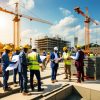
Construction safety is not just a compliance requirement; it is the backbone of every successful and sustainable building project. In Nigeria’s dynamic and sometimes unpredictable construction landscape, where building collapses and site accidents are frequent news items, implementing rigorous safety protocols is both a moral responsibility and a strategic advantage. This guide explores best practices for construction safety, reflecting the practical realities and standards upheld by responsible construction professionals. It is designed to support homeowners, investors in the diaspora, corporate executives, and anyone planning a building project who seeks assurance that their site is secure, compliant, and on track. A safe building site starts with leadership. When executive management makes construction safety a core value—not just a checklist item—it cascades throughout the organization. Establishing health and safety committees with stakeholders from across all project levels ensures that safety is embedded in every decision, from planning to handover. Training is a critical component of any effective construction safety plan. Every team member should undergo regular instruction on: Hazard Identification Safe Equipment Use Fall Prevention Techniques Emergency Procedures Workforces that are properly trained are less likely to cause or experience accidents, making training an investment in both people and project continuity. No conversation about construction safety is complete without emphasizing the importance of PPE. Workers on Nigerian building sites should always be equipped with: Helmets Steel-toe boots High-visibility vests Gloves Safety goggles Fall arrest systems Routine checks ensure these tools are functional and properly used. Responsible project oversight includes budgeting for PPE and enforcing its use on-site. Clear communication can prevent most construction safety breaches. Daily toolbox talks, hazard briefings, and posted signage in visible languages make a huge difference in accident prevention. Communication also includes reporting systems where workers can log hazards anonymously or openly, depending on the company culture. Preventing accidents requires a proactive approach. Routine site inspections and documented risk assessments help detect: Uneven terrain Weak scaffolding Unsecured openings Weather-related hazards Professionals who prioritize construction safety use this data to redesign workflows and site layouts that reduce exposure to risk. Having a dedicated construction safety management system (CSMS) formalizes your approach. This includes: Written safety policies Incident reporting and root-cause analysis procedures Job hazard analyses Employee accountability mechanisms With a robust CSMS, construction projects remain compliant with national regulations while also promoting a culture of responsibility. Appointing or contracting a qualified safety officer brings a level of vigilance and expertise that general supervisors may not possess. These officers conduct: Spot checks Safety drills Daily walkthroughs Incident investigations They also bridge communication between site workers and upper management, ensuring that construction safety remains an active concern across all strata of the project. Digital tools have made construction safety smarter and more efficient. Today’s best construction firms utilize: Drones to inspect hard-to-reach areas Wearables that alert supervisors to hazardous worker movement CCTV with AI monitoring capabilities BIM software for safe project modeling These tools help identify dangers before they become incidents. Effective construction safety includes preparation for the unexpected. An emergency response plan should: Define clear exit routes Assign emergency response teams Include fire safety equipment Conduct routine evacuation drills Teams that rehearse emergencies respond faster and save lives. Many construction injuries are preventable through simple tidiness. Best practices include: Clearing walkways of debris Properly stacking materials Securing tools when not in use Assigning daily cleanup shifts Clean and organized sites are inherently safer and reflect the professionalism of the team managing the project. Construction safety demands careful attention to how materials and tools are handled. This involves: Using forklifts or cranes correctly Labeling hazardous materials Training staff in manual lifting techniques Ensuring that scaffolding and ladders are secure Improper handling is one of the leading causes of injury. Procedures must be in place to eliminate unnecessary strain or instability. It’s not enough to have the right tools—they must function properly. This requires: Scheduled equipment maintenance Inspections before each use Quick replacement or repair of faulty items Reliable construction safety is built on the principle that tools shouldn’t fail when lives depend on them. Construction safety starts long before ground is broken. Integrating Prevention through Design (PtD) means: Designing safer access points Avoiding overly steep grades Choosing materials that require fewer high-risk installations Designing for safety reduces long-term risk and contributes to smoother project execution. A building project is only as safe as its least cautious participant. Clients should ensure that all subcontractors: Have safety policies in place Track safety performance (incident rates, lost-time injuries) Have trained personnel and up-to-date certifications Evaluating subcontractors’ construction safety culture ensures site-wide consistency. Recognizing safe behavior is just as important as correcting unsafe actions. Reward systems that include: Safety milestone bonuses Monthly “Safe Worker” awards Public recognition These systems reinforce safe habits, increase morale, and reduce resistance to safety protocols. Clients—especially those overseas—want more than progress reports. They want assurance that progress is happening without risk to people or property. High-performing contractors recognize that integrating construction safety with project timelines results in fewer disruptions, increased trust, and a more professional experience for all involved. Construction doesn’t exist in a vacuum. Safety practices must also extend to: Controlling site access to keep bystanders safe Preventing air, water, and noise pollution Minimizing dust and debris on roads Using environmental protection gear when needed A truly safety-conscious project protects its workers, the surrounding community, and the environment simultaneously. For any client—whether building a home from abroad or developing a corporate facility—construction safety is a fundamental indicator of overall project quality. It is a sign that your team is disciplined, organized, and genuinely invested in long-term success. While safety may seem like an operational detail, it is in fact a strategic asset that influences cost, delivery timelines, stakeholder confidence, and legal compliance. The best partners don’t just build—they build responsibly. They make construction safety the invisible structure that holds everything else together. Construction Safety: Best Practices for Your Building Site
Construction Safety Begins at the Top
Mandatory Construction Safety Training for All Workers
Personal Protective Equipment (PPE): The First Line of Defense
Communication: A Pillar of Site Safety
Hazard Identification and Risk Assessment Protocols
Structured Construction Safety Management Systems
Safety Officers and On-site Experts
Technology: Enhancing Construction Safety Through Innovation
Emergency Preparedness and Response
Site Housekeeping and Material Organization
Safe Material Handling and Equipment Use
Regular Maintenance of Safety Equipment
Designing with Safety in Mind
Subcontractor Safety Vetting
Positive Reinforcement: Rewarding Safe Behavior
Aligning Construction Safety with Project Goals
Community and Environmental Safety
Conclusion
 Conifer Konstruktion (Nig) Ltd has a project delivery track record of 60+ projects. Contact us via email (okoyeebubedike@coniferkonstruktion.com.ng) or phone (803) 404-0894, and we’ll make sure you’ll have a stress free construction experience.